A commercial roof coating can help extend the life of an existing roof while supporting a longer-term maintenance plan. But it is not a shortcut for roof problems that need to be fixed first.
Before a coating makes sense, the roof itself needs to be in good enough condition to support it. If there are active leaks, wet insulation, damaged decking, or drainage problems, a coating may only cover the issue instead of solving it.
At Spann Roofing, we help commercial building owners, property managers, and facility teams understand what their roof actually needs. Sometimes that means a coating. Sometimes it means repair, maintenance, or replacement planning.
What Are Commercial Roof Coatings?
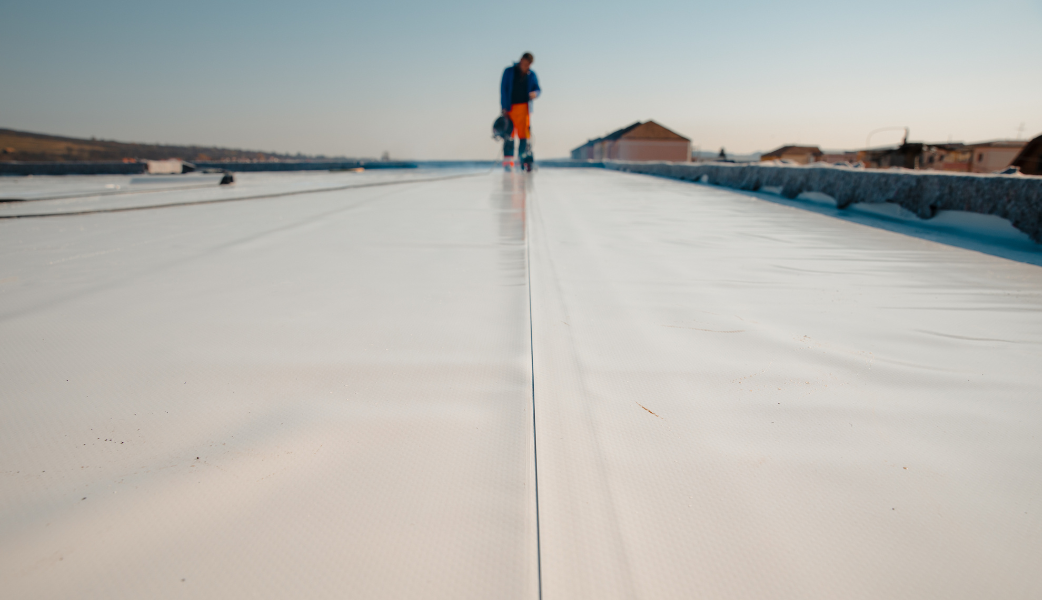
Commercial roof coatings are fluid-applied products installed over an existing roof surface. Once applied, they create a protective layer that helps shield the roof from sun, weather, and everyday wear.
They are often used on flat and low-slope commercial roofs, including certain metal, single-ply, modified bitumen, and built-up roof systems. Whether a coating is a good fit depends on the condition of the roof and how the building will be managed long term.
Some coatings are also reflective. The Cool Roof Rating Council explains that cool roofs are designed to reflect more sunlight and absorb less heat than standard roofs, which is one reason reflective coatings are often considered for commercial buildings.
Still, a coating is only as good as the roof underneath it.
When a Roof Coating May Be a Good Option
A roof coating may make sense when the existing roof is still in good enough condition to support it. That means the roof is not failing, the insulation is not saturated, and any needed repairs can be handled before the coating is applied.
For some commercial buildings, a coating can help protect the roof surface, reduce UV exposure, and give owners more time before a larger roofing project is needed. It can also be part of a practical maintenance plan when the roof is aging but still stable.
The key is timing. Coatings are usually most effective before the roof is in poor condition, not after damage has already spread.
When a Coating Is Not Enough
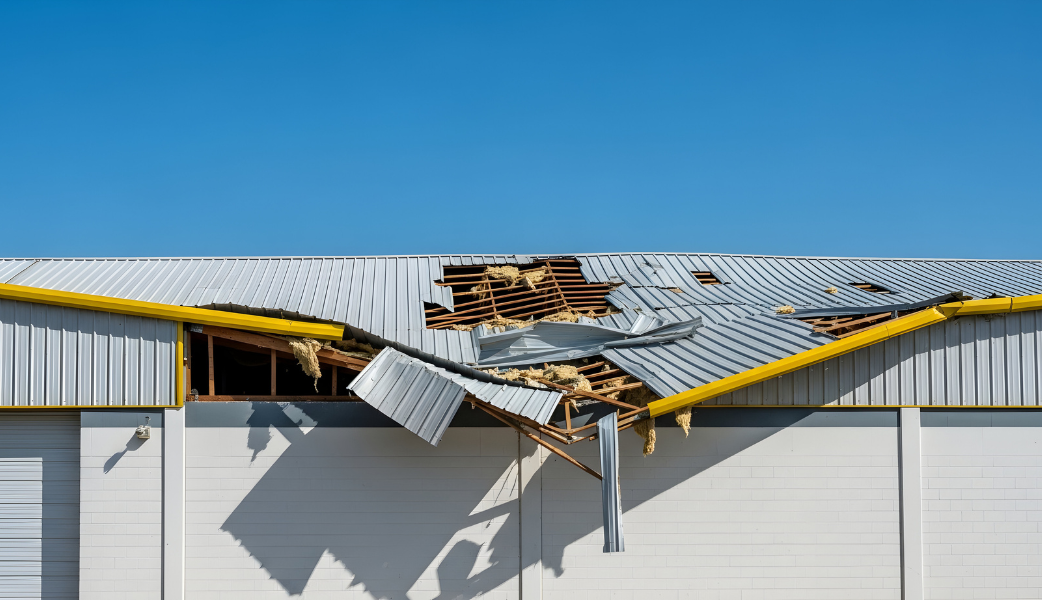
A coating should not be treated as a quick fix for a roof that needs more serious work. It may not be the right solution if the roof has:
- Active or recurring leaks
- Wet insulation or trapped moisture
- Damaged or soft decking
- Poor drainage or ponding water
- Open seams or failed flashing
- Severe rust or corrosion
- Large punctures, tears, or membrane damage
- Multiple previous repair areas that keep failing
- A roof system near the end of its useful life
In these cases, the building may need repairs, restoration work, or replacement planning instead. For commercial property owners, that distinction matters because roof decisions affect budgets, tenants, operations, equipment, and long-term property value. The goal should be to make the right decision for the building, not just the fastest one.
Why Roof Condition Matters First
A coating is not just a product decision. It is a roof-condition decision. Before recommending a commercial roof coating, the roof needs to be inspected. That inspection should look at the overall roof system for damage, drainage issues, and signs of hidden moisture.
If the roof is dry, stable, and structurally sound, a coating may be an option. If there is hidden moisture or ongoing leakage, those problems need to be addressed first. A coating should support the roof system. It should not be used to hide damage.
Coatings, Maintenance, and Long-Term Planning
Commercial roof coatings can be useful when they are part of a larger roof management plan. That plan should make it easier to track the roof’s condition and address issues as it ages.
For property managers and facility teams, planning helps reduce surprises and makes budgeting easier. Instead of waiting for a leak to force an emergency decision, you can understand the roof’s condition and prepare for what comes next. Even after a coating is applied, the roof still needs routine maintenance and regular checks.
How Spann Roofing Helps Building Owners Choose the Right Next Step
Spann Roofing helps commercial building owners determine whether a roof coating makes sense or whether another option is a better fit. Our team can inspect the roof, identify areas of concern, and explain what we find in clear terms.
We work with commercial roofs across Myrtle Beach, Georgetown, Florence, Charleston, Wilmington, and surrounding markets. Our focus is on helping owners and property managers protect the building, reduce disruption, and make practical decisions.
Commercial roof coatings can be a strong option in the right situation. The important part is knowing whether your roof is ready for one. Contact Spann Roofing to schedule a commercial roof inspection and find out whether a coating, repair, maintenance plan, or replacement is the right next step.endation for your building.