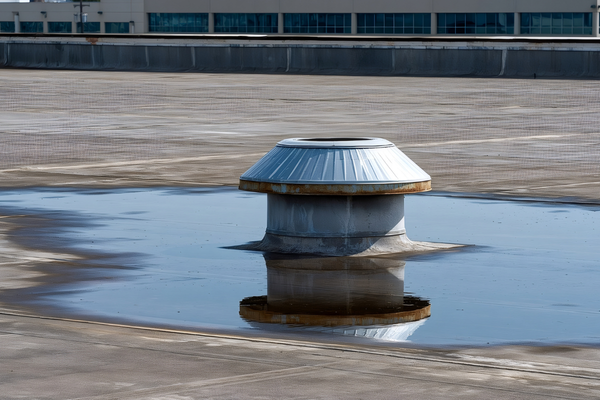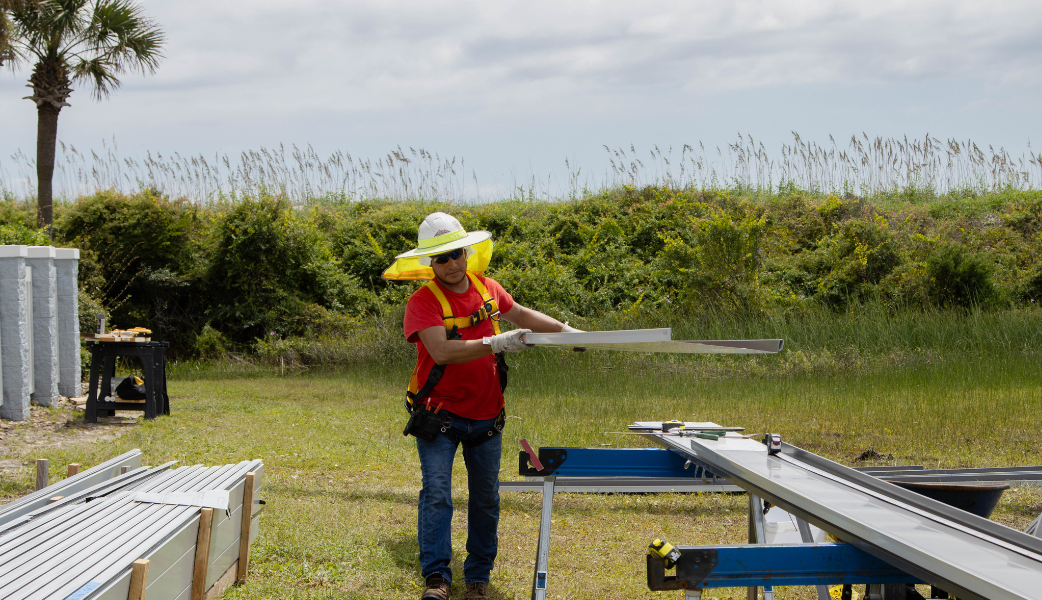
The coast is easy to love, but it is hard on a roof. Salt air, humidity, wind, heat and heavy rain can all wear on roofing materials over time. Your roof may look fine from the driveway, but small issues can begin around shingles, flashing, fasteners, vents and roof edges before water ever shows up inside.
For homeowners in Myrtle Beach, Georgetown and surrounding coastal areas, salt air roof damage is something to take seriously. Coastal roofs face conditions that can slowly affect the parts of the roof system that help protect your home.
At Spann Roofing, we understand how Carolina weather affects residential roofing. The key is knowing what to watch for and when to have your roof checked.
Why Coastal Roofs Need Extra Attention
A roof near the coast faces more than everyday sun and rain. Salt air can settle on roofing materials, humidity can keep surfaces damp longer and wind-driven rain can push water into areas that normal rainfall may not reach.
That does not mean every coastal roof has a problem. It means coastal roofs need consistent attention.
Some of the most important parts of a roof system are not easy to see from the ground. Flashing, fasteners, vents, pipe boots, valleys and roof edges can show wear before the main roof surface does. A professional inspection can help identify those issues before they lead to more serious damage.
How Salt Air Affects Roofing Materials
Salt-laden air can be especially tough on metal components. Even if your home does not have a metal roof, your roof system still includes metal details such as flashing, fasteners, vents and drip edge.
Over time, salt and moisture can contribute to corrosion. When those components weaken, water has an easier path into the home.
Shingles can also be affected by coastal weather. Heat, humidity and wind can contribute to lifted shingles, cracking, granule loss or early wear. In many cases, the problem is not caused by one storm. It develops over time as coastal conditions continue to work against the roof.
Common Signs of Coastal Roof Wear
Coastal roof damage is not always obvious at first. Homeowners should watch for:
- Rust or corrosion around flashing, vents, fasteners or roof edges
- Missing, lifted, curled or cracked shingles
- Shingle granules collecting near downspouts
- Water stains on ceilings or walls
- Dark streaks, algae growth or areas that seem to hold moisture
- Loose or damaged flashing around chimneys, walls or vents
- Musty smells in the attic or upper-level rooms
- Debris sitting in valleys, gutters or along roof edges
- Areas of the roof that look worn, uneven or different from the rest
- Leaks after heavy rain or strong wind
One small sign does not always point to a major issue. However, if something looks different or you are not sure what you are seeing, it is better to have the roof checked before the damage spreads.
Why Flashing, Fasteners and Gutters Matter
A roof is more than shingles. The details help the full system work the way it should.
Flashing helps move water away from vulnerable areas. Fasteners keep materials secure. Vents support airflow. Gutters and drainage paths help move water away from the home.
When these parts are loose, clogged, corroded or damaged, the roof becomes more vulnerable to water intrusion. This is especially important in coastal areas, where salt, humidity and wind are constant factors.
A roof can look solid from the street and still have concerns around edges, valleys, vents or penetrations. That is why a full roof inspection matters.
How Maintenance Helps Protect Your Roof
Maintenance cannot stop coastal weather, but it can help your roof stay ahead of it. A professional roof inspection can identify worn materials, corrosion, loose components, damaged flashing, moisture concerns and other areas that may need attention.
This is especially helpful before and after seasons with heavy rain, tropical weather or long stretches of heat and humidity.
Maintenance also gives you a clearer understanding of your roof’s condition. Instead of guessing, you can make decisions based on what is actually happening on the roof.
For homeowners who want to better understand how coastal environments affect homes and building materials, FEMA’s Coastal Construction Manual is a helpful resource. It explains many of the conditions that make coastal construction and maintenance different from inland homes.
When to Call Spann Roofing for an Inspection
If your home is near the coast, your roof should be checked when you notice corrosion, missing shingles, ceiling stains, moisture concerns, storm damage or areas that look worn. It is also smart to schedule an inspection after heavy rain, strong wind or a long stretch of summer heat.
Spann Roofing can inspect your roof, explain what we find and recommend the right next step. That may be a repair, routine maintenance or a plan for future replacement.
Coastal homes are built in a beautiful place, but that beauty comes with weather that works hard against your roof. Staying ahead of salt air roof damage can help protect your home and reduce surprises over time.
Quality Roofing that Spanns a Lifetime starts with knowing what your roof is up against.
Contact Spann Roofing today to schedule a professional roof inspection.