A commercial roof has to do more than cover square footage. It has to protect tenants, equipment, inventory, schedules and the owners budget behind the building.
For many flat and low-slope commercial properties, single-ply roofing can be a practical option. But TPO, PVC and EPDM are not interchangeable choices. The right system depends on how the building is used, how the roof drains, what equipment sits on the roof and what the owner needs long term.
At Spann Roofing, we work with commercial property owners, property managers and facility teams across coastal Carolina markets. Our goal is to help you understand the condition of your roof and make the right next decision for your building.
What Is Single-Ply Roofing?
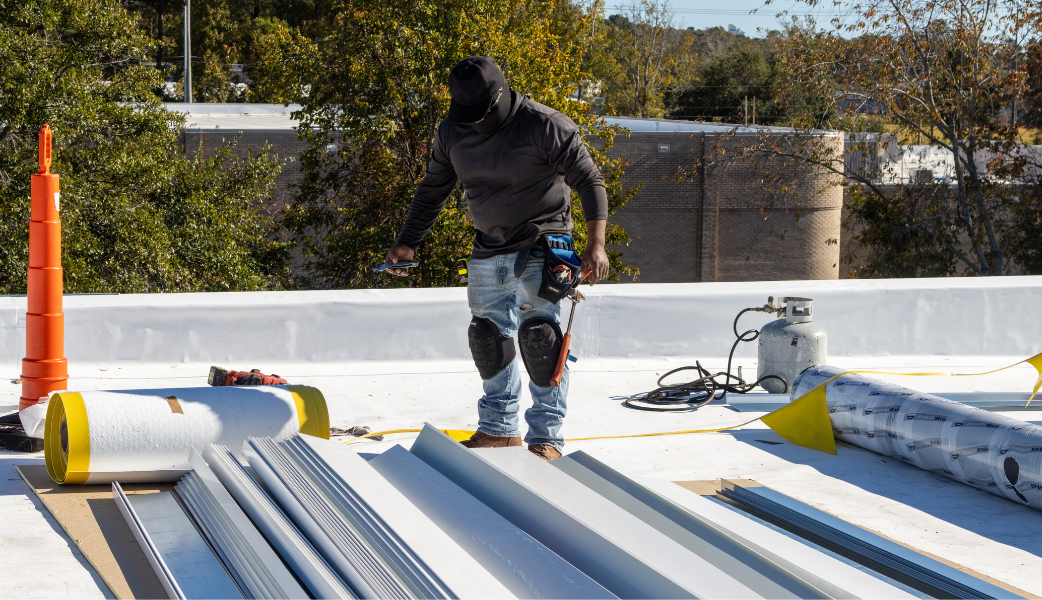
Single-ply roofing is a commercial roofing system made from flexible membrane sheets. These membranes are installed over a flat or low-slope roof to help protect the building from water, weather and UV exposure.
Single-ply systems are common in offices, retail centers, warehouses, schools, medical buildings, multifamily properties and other commercial spaces. They can cover large roof areas efficiently and work with many of the features found on commercial buildings, including drains, rooftop units, vents, curbs and penetrations.
The membrane matters, but it is only one part of the roof system. Seams, flashing, edges, drains and rooftop equipment all have to be installed and maintained correctly for the roof to perform the way it should.
Common Single-Ply Roofing Options
The most common single-ply roofing options are TPO, PVC and EPDM. Each one has different strengths, and the right choice depends on the property.
TPO is often used on commercial roofs and is commonly available in light-colored, reflective options for low-slope applications. PVC is another option that may be used in settings where chemical or grease resistance is a consideration. EPDM is a rubber roofing membrane known for flexibility and long-term performance.
There is no one-size-fits-all answer. A restaurant, warehouse, office building, school and retail center may all have different roofing needs. The existing roof condition, drainage, rooftop equipment, foot traffic, budget and long-term plans should all be reviewed before choosing a system.
Why Low-Slope Commercial Roofs Need the Right System
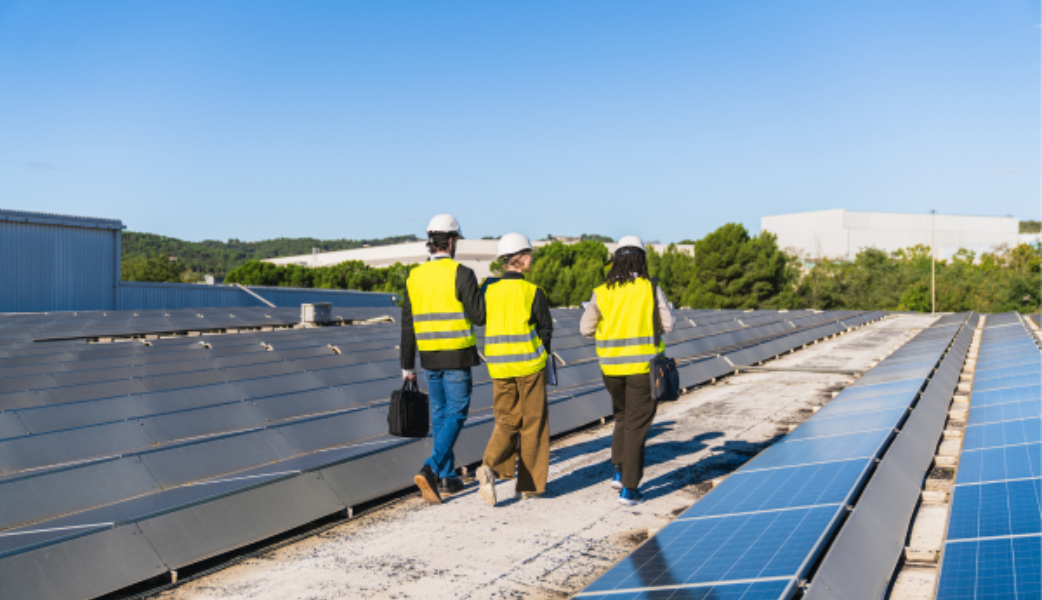
Many commercial buildings use low-slope roofs because they are practical for larger structures. They provide space for HVAC units, vents, drains, solar equipment and other building systems while covering a wide footprint.
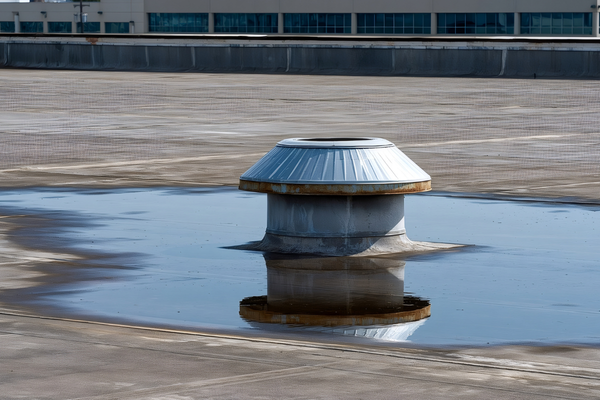
The challenge is that low-slope roofs have to move water properly. Water should flow toward drains, scuppers or gutters. When it collects in low areas, it can put stress on seams, flashing and the membrane.
That is why the right commercial roofing system has to account for more than material type. Drainage, insulation, rooftop access, equipment layout and maintenance needs all play a role.
Signs a Single-Ply Roof Needs Service
Single-ply roofing can perform well for many years, but it still needs regular inspections and maintenance. Small issues can turn into larger problems when they are not addressed early.
Watch for these signs that your commercial roof may need service:
- Water stains on ceilings, walls or interior finishes
- Tenant or staff reports of leaks after rain
- Ponding water that remains after storms
- Open seams, loose flashing or damaged edges
- Punctures, tears or cuts in the membrane
- Blisters, wrinkles or uneven areas
- Debris collecting near drains or rooftop units
- Damage around vents, pipes, curbs or HVAC equipment
- Previous repair areas that continue to leak
- Damp insulation, unusual odors or recurring moisture concerns
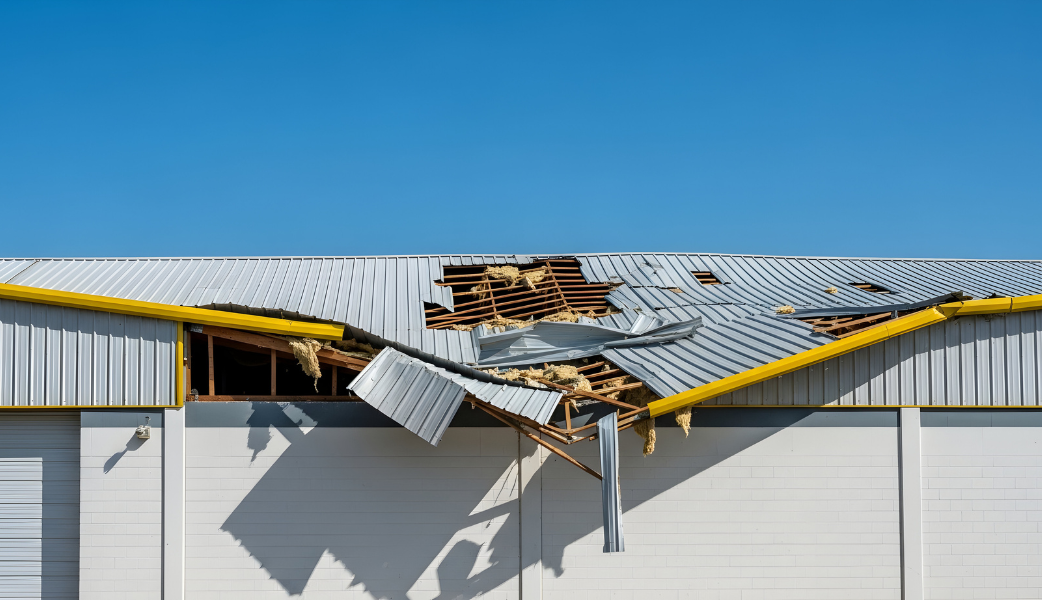
Property managers should not send staff onto the roof to investigate damage, especially after rain or high winds. A commercial roof can be slippery, and some damage is not visible from a safe access point. A professional inspection gives you a clearer answer without adding unnecessary risk.
Repair, Maintenance or Replacement: What Comes Next?
Not every single-ply roof issue means the building needs a full replacement. In many cases, a repair or maintenance plan may be the right next step.
A professional inspection can help determine whether the issue is isolated or part of a larger roof concern. A small puncture may be repairable. Loose flashing may need to be corrected. A recurring leak near a drain may point to a drainage problem. Widespread membrane wear, wet insulation or repeated seam failures may require a larger conversation about restoration or replacement.
The goal is to make the right decision for the property. Commercial roof decisions affect budgets, tenants, operations and future planning. Clear documentation and practical recommendations help owners and managers decide what needs attention now and what should be planned for later.
How Spann Roofing Helps Commercial Property Owners
Spann Roofing helps commercial property owners understand what is happening on the roof and what needs to happen next. Our team can inspect single-ply roofing systems, identify areas of concern and recommend the right option based on the building’s condition, use and long-term needs.
We work with commercial roof systems across Myrtle Beach, Georgetown, Florence, Charleston, Wilmington and surrounding markets. Whether your building needs a repair, inspection, preventive maintenance or long-term roof planning, our focus is on clear communication and dependable service.
The Spann Guardian Program can also support commercial roof management through routine inspections, reporting and preventive maintenance. For property owners and facility managers, that kind of planning can help reduce surprises and extend the life of the roof.
A single-ply roof can be a strong option for many commercial buildings, but performance depends on the right system, proper installation and consistent maintenance.
Quality Roofing that Spanns a Lifetime starts with knowing what your building needs.
Contact Spann Roofing to schedule a commercial roof inspection and get a clear recommendation for your building.