Summer in the Carolinas brings plenty of heat, humidity, and afternoon storms. While most homeowners think about their air conditioning during this time of year, the roof plays a major role in how well a home handles the season, too.
One part of the roof system that is easy to overlook is ventilation. Roof ventilation helps move air through the attic so heat and moisture do not get trapped inside. When ventilation is working properly, it can help protect your shingles, attic, insulation, and overall comfort inside the home.
At Spann Roofing, we work with homeowners in Myrtle Beach, Georgetown, Florence, and surrounding areas where summer weather can be hard on roofing systems. Understanding how ventilation works can help you catch issues early and make smarter decisions for your home.
Why Roof Ventilation Matters in Hot, Humid Weather
During the summer, heat naturally rises into the attic. Without enough airflow, that hot air can sit in the attic for hours. On a sunny Carolina day, the temperature in an under-ventilated attic can climb quickly, making your cooling system work harder and putting extra stress on parts of your roof.
Humidity adds another concern. Moisture can collect in attic spaces when air does not move the way it should. Over time, trapped moisture may affect wood decking, insulation, and other materials. The Department of Energy notes that ventilation is important for maintaining indoor air quality and comfort, especially in efficient homes. In humid climates, ventilation often works best alongside proper cooling and moisture control.
For homeowners, that means roof ventilation is not just about airflow. It is about helping the entire home manage heat and moisture more effectively.
How Heat Builds Up in the Attic
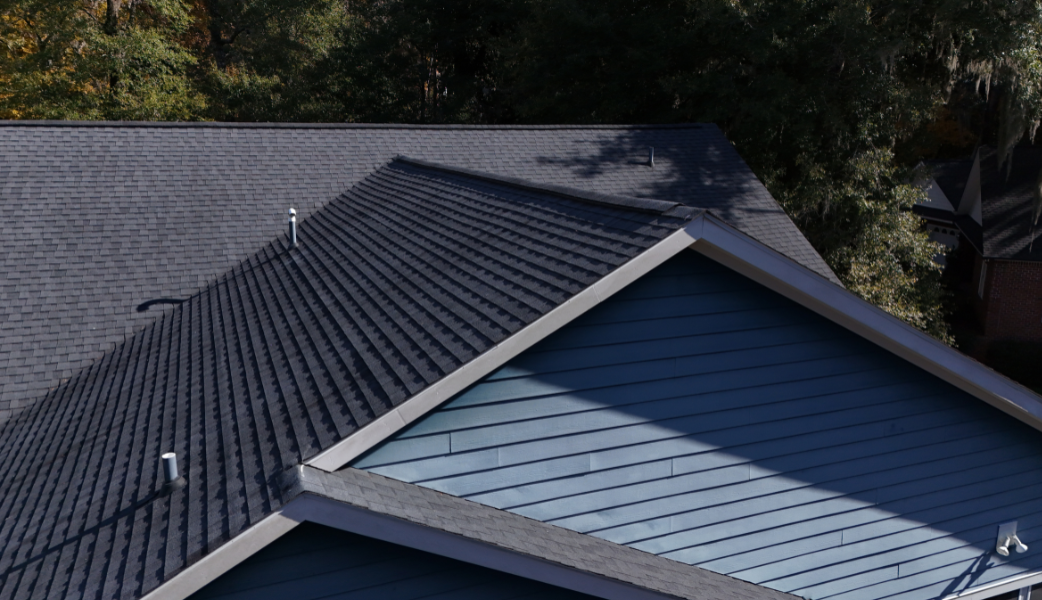
Your roof absorbs a lot of sunlight during the summer. As shingles heat up, that heat transfers into the attic. If the attic does not have a balanced way for air to enter and exit, the heat has nowhere to go.
This can create several problems. The attic may stay hot well into the evening. Your HVAC system may run more often. Rooms near the attic may feel warmer than the rest of the house. In some cases, excess attic heat may also contribute to faster wear on roofing materials.
Ventilation helps by creating a path for cooler air to enter near the lower part of the roof and warmer air to exit near the top. This steady movement helps reduce heat buildup and supports the roof system during long stretches of hot weather.
Signs Your Roof May Have Poor Ventilation
Poor ventilation is not always obvious from the outside. Many homeowners do not realize there is a problem until they notice comfort issues, attic concerns, or roof wear. A professional inspection can provide the clearest answer, but there are a few signs worth watching for:
- Upstairs rooms that feel much hotter than the rest of the home
- A strong musty smell in the attic
- Damp or compressed attic insulation
- Rust around attic nails, vents, or metal components
- Shingles that appear aged, curled, or worn earlier than expected
- High cooling bills during the summer
- Moisture stains on attic wood or ceilings
These issues can have more than one cause, so it is important not to assume ventilation is the only problem. However, if you notice several of these signs, it may be time to have your roof and attic ventilation checked.
Intake Vents vs. Exhaust Vents
Roof ventilation usually depends on two types of airflow: intake and exhaust.
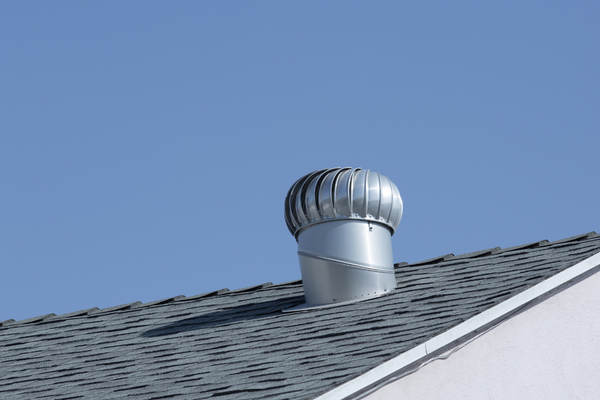
Intake vents allow outside air to enter the attic. These are often located near the lower edges of the roof, such as the soffit area. Exhaust vents allow hot air to leave the attic and are usually placed higher on the roof.
Both intake and exhaust vents are important because a roof without enough of either may not move air properly, which can leave hot air trapped in the attic instead of allowing the system to circulate naturally.
This is one reason ventilation should be evaluated as part of the whole roof system. Adding vents without looking at the roof design, attic layout, insulation, and existing airflow may not solve the issue.
When to Schedule a Professional Roof Assessment
If your home feels harder to cool, your attic smells musty, or your roof appears to be aging faster than expected, a professional roof assessment is a smart next step. Ventilation problems are easier to address when they are caught early.
Spann Roofing can inspect your roof, look for signs of heat or moisture concerns, and help determine whether your ventilation system is working the way it should. We can also check for related issues, such as damaged shingles, blocked vents, flashing concerns, or attic moisture.
Quality roofing that Spanns a lifetime starts with taking care of the details that protect your home every day. Contact Spann Roofing today to schedule a professional roof assessment and make sure your home is ready for the rest of the season.